Dose by dose, TB-500 gets more complicated
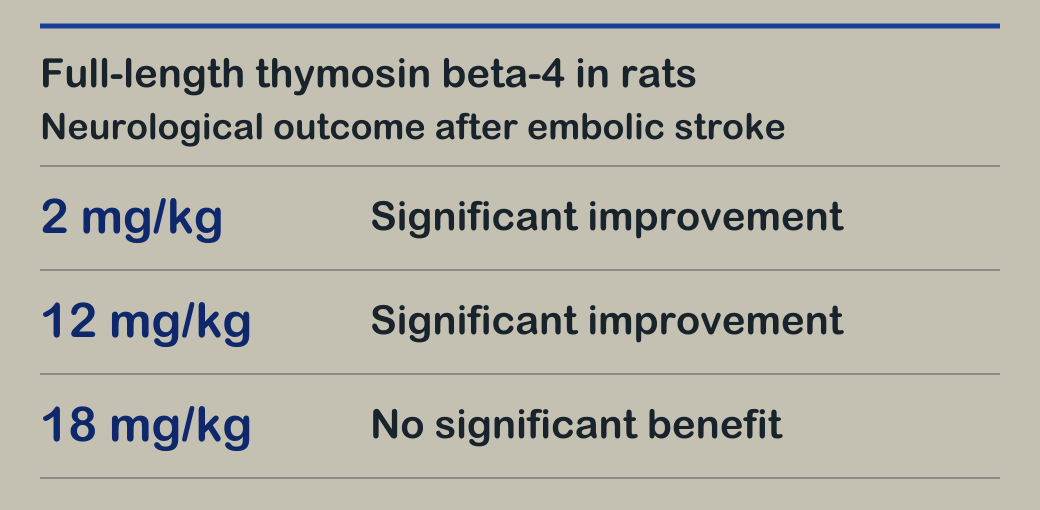
A rat stroke experiment unsettled my easy picture of a repair compound. Full-length thymosin beta-4 helped at the lower doses tested; the highest gave no significant benefit.
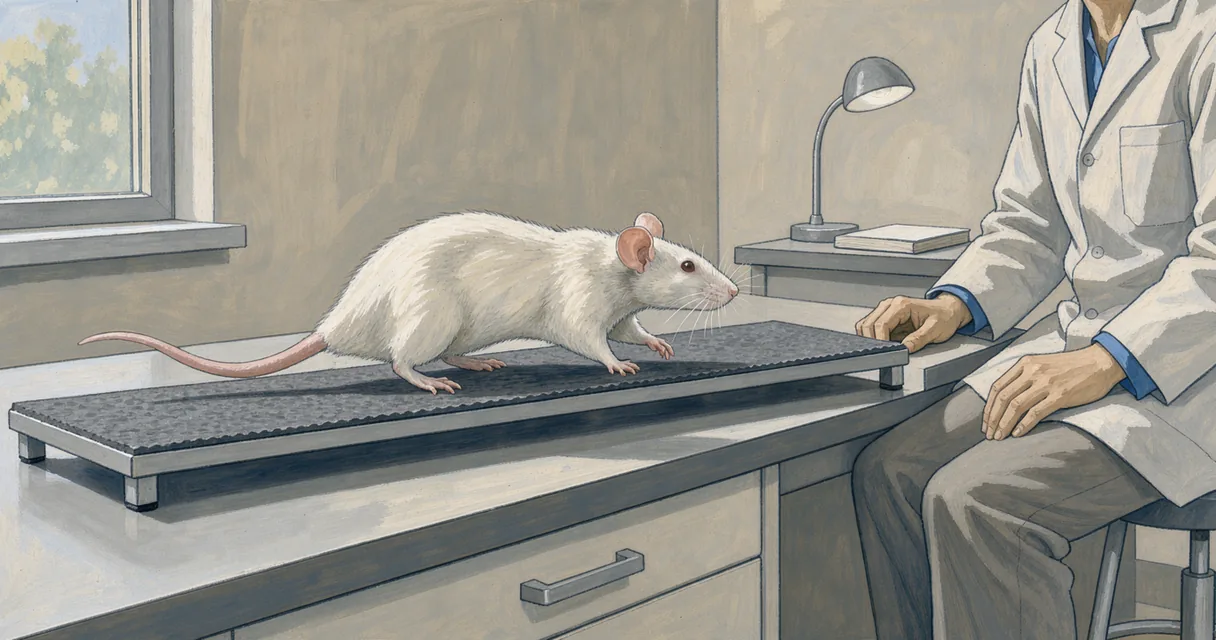
Morris rat experiment
TB-500 sent me into a literature full of repair claims. A rat dose-response result unsettled my neat expectations: in a rat stroke dose-response experiment, full-length thymosin beta-4 improved neurological function at 2 and 12 mg/kg. At 18 mg/kg, the investigators found no significant benefit. This was an animal experiment with the parent protein; the TB-500 fragment was not the tested substance.
My lazy assumption was a benefit curve that climbed steadily with the amount. The highest-dose finding undid it. The lower-dose findings were significant from day 14 through day 56, so there was something to explain, yet the highest tested dose failed to extend that success. A dose response describes how an outcome changes with the amount given. This one refuses to be a simple rising line.
The result supports a narrow conclusion: increasing the amount failed to produce a reliably increasing benefit in this rat model. It supplies neither a human dose nor an explanation for the high-dose finding. I prefer this unresolved dose pattern to an inventory of possible repairs.
What is TB-500?
TB-500 is the synthetic Ac-LKKTETQ peptide: an acetylated chain of seven amino acids corresponding to residues 17–23 of thymosin beta-4. The full protein has 43 amino acids. The short stretch carries an actin-binding motif, a region involved in the protein's interaction with actin, which helps cells maintain their shape and move. The equine anti-doping analysis of Ac-LKKTETQ gives the TB-500 name a precise chemical referent.
Most of the repair experiments cited under that name used full-length thymosin beta-4. The stroke study above did too. The review of the parent protein’s repair biology describes an extensive collection of experiments, while controlled human trials have yet to establish that the isolated fragment delivers the same effects. That distinction qualifies the excitement before any question of amount arises.
The TB-500 peptide and its parent
The fragment weighs roughly 889 Da; full-length thymosin beta-4 weighs about 4963 Da. Their relationship is more specific than the loose habit of calling both TB-500 suggests. A structural study of thymosin beta-4 bound to actin found a 1:1 complex that held individual actin units apart. It explains the parent protein's actin-buffering role. It leaves the isolated fragment's behavior in people unsettled.
“Compound” prompts a blunt chemical question for me: what substance was actually present when the result happened? Starting there makes the dose-response puzzle sharper. Even a favorable finding with the larger protein requires another experiment before it can become a claim about the smaller one.
Repair in different tissues
There are encouraging results here. Full-length thymosin beta-4 accelerated skin coverage in wounded rats, and a mouse heart experiment found better early cardiac-cell survival and cardiac function after coronary artery ligation. In a separate mouse muscular-dystrophy model, however, more regenerating fibers came without significant gains in muscle strength or heart function.
The range of activity impresses me; a single all-purpose recovery claim asks too much of it. Amount, tissue and the outcome being measured all matter. The research article follows those differences; the dosage article returns to the rat stroke experiment in more detail.
Human evidence and access
For the TB-500 heptapeptide, completed controlled human trials remain absent. The sports-medicine review of unapproved peptide therapies describes favorable animal findings alongside scarce rigorous human safety data and potential for serious harm. Thymosin beta-4's links to tumor metastasis and blood-vessel growth in preclinical research also deserve their own space. Side effects and safety examines that concern; community reports collects the anecdotes without treating them as clinical evidence.
TB-500 has no FDA-approved therapeutic indication. On FDA’s page current as of April 22, 2026, the nomination is recorded as withdrawn and the substance no longer appears in Category 2. The legal-status article explains the remaining compounding questions and the sports prohibition. This site offers research commentary, not medical advice.